

The Ultimate Guide to Middle Eastern Desserts: From Ancient Traditions to Modern Innovations
Middle Eastern desserts represent thousands of years of culinary evolution, where ancient civilizations, trade routes, and cultural exchanges created some of the world's most beloved sweets. From the honey-soaked layers of baklava to the rose-scented delicacy of Turkish delight, these desserts tell stories of empires, traditions, and the universal human love of sweetness. Join us on a comprehensive journey through the rich world of Middle Eastern desserts.
The Historical Roots: Where It All Began
The history of Middle Eastern desserts stretches back millennia, intertwining with the region's role as a crossroads of civilizations. Ancient Mesopotamians were already experimenting with honey and nuts in pastries over 4,000 years ago. The Persians perfected the art of working with sugar when it was still a precious commodity. The Ottomans elevated dessert-making to an imperial art form, with palace kitchens employing specialist confectioners who created increasingly elaborate sweets.
What makes Middle Eastern dessert history particularly fascinating is how it reflects the region's position at the intersection of trade routes. Sugar from India, nuts from Persia, spices from the Far East, phyllo techniques from Central Asia, and honey traditions from the Mediterranean all converged in this region, creating a unique dessert culture that borrowed from everywhere while remaining distinctly its own.
The Silk Road wasn't just about silk—it was a highway of culinary exchange. Merchants and travelers carried not just goods but recipes, techniques, and ingredients. A Persian confectioner might learn a new technique from a Chinese trader, incorporate local nuts and honey, and create something entirely new. This cultural fusion and exchange created the foundation for the dessert traditions we know today.
The Role of Sugar: From Luxury to Staple
Understanding Middle Eastern desserts requires understanding the history of sugar itself. While honey had been used for millennia, sugar cane, first cultivated in India and spread through Persia and the Middle East, revolutionized dessert-making. The Arabs became masters of sugar cultivation and refinement, spreading both the crop and the knowledge to North Africa, Spain, and eventually to Europe.
When sugar was rare and expensive, Middle Eastern desserts were luxury items, served at royal courts and special celebrations. As sugar production increased and prices fell, these desserts became more accessible, though they retained their association with celebration and hospitality. Today, offering sweets to guests remains an essential part of Middle Eastern hospitality, a tradition rooted in centuries of cultural practice.
The Essential Ingredients: Building Blocks of Flavor
Middle Eastern desserts rely on a relatively small palette of key ingredients, used in countless combinations to create diverse flavors and textures. Understanding these ingredients is essential to appreciating these desserts.
Nuts: The Heart of Many Desserts
Nuts play a starring role in Middle Eastern sweets. Pistachios, almonds, walnuts, and pine nuts appear in almost every dessert tradition. But these aren't just any nuts—Middle Eastern confectioners are particular about quality and preparation.
Pistachios, especially the prized varieties from Iran and Turkey, provide both flavor and that distinctive green color that makes desserts visually appealing. They're used whole, chopped, or ground into paste. Almonds might be blanched and sliced for baklava, ground for marzipan-like fillings, or left whole for nougat-style confections. Walnuts provide earthy richness, especially popular in Greek and Turkish desserts. Pine nuts, though expensive, add a delicate, buttery flavor impossible to replicate.
The preparation of nuts matters enormously. Toasting brings out oils and intensifies flavors. Grinding to the right consistency—fine enough to form paste but coarse enough to maintain texture—requires skill. Mixing nuts in the right proportions creates balanced flavors where no single nut dominates but all contribute to the whole.
Rose and Orange Blossom: Floral Signatures
Two floral waters define Middle Eastern dessert flavors: rose water and orange blossom water. These aren't artificial flavorings but distillations of actual flowers, carrying subtle, complex aromas that elevate simple ingredients into something special.
Rose water, made from distilled rose petals, brings a delicate floral note that's unmistakably Middle Eastern. It's used in everything from Turkish delight to Persian ice cream to Lebanese milk puddings. The key is restraint—too little and you miss the flavor entirely, too much and it tastes like perfume. Skilled confectioners know exactly how much to use for each dessert.
Orange blossom water, distilled from bitter orange blossoms, offers a different floral note—brighter, slightly more citrusy, with its own unique complexity. It's particularly popular in Levantine and North African desserts, where it might flavor syrups, pastries, or creamy desserts.
Both waters have been used for centuries, originally for their medicinal properties but beloved for their flavors. They represent a distinctly Middle Eastern approach to flavoring—subtle, sophisticated, natural, and intimately connected to the region's gardens and agricultural traditions.
Phyllo Dough: Paper-Thin Perfection
Phyllo dough, called yufka in Turkish, is perhaps the most technically demanding ingredient in Middle Eastern desserts. Creating phyllo requires skill, patience, and practice. The dough must be rolled and stretched until it's literally paper-thin—so thin you can read through it. Traditional phyllo masters could create sheets several feet in diameter, each one uniform in thickness and free from tears.
Working with phyllo requires understanding its properties. It dries quickly, so you must work fast or keep unused sheets covered. It's delicate and tears easily, requiring gentle handling. When layered with butter or oil and baked, it becomes crispy and flaky, creating those signature textures in baklava and similar pastries.
Modern cooks often buy pre-made phyllo, and there's no shame in that—even in the Middle East, most home cooks purchase ready-made sheets. But understanding the work that goes into creating phyllo helps appreciate desserts that use it. Each flaky layer represents centuries of technique refinement and individual skill.
Syrups: Sweet Preservation
Sugar syrup, often flavored with rose water, orange blossom water, or lemon, is crucial to many Middle Eastern desserts. But these syrups are more than just sweeteners—they're preservatives and moisture regulators.
The technique of soaking baked pastries in syrup serves multiple purposes. It adds sweetness, obviously, but it also adds moisture, creates a preservative effect that helps desserts keep longer in hot climates, and allows flavors to penetrate deep into the dessert. The contrast between crispy pastry and sweet syrup creates textural interest and complex mouthfeel.
Different desserts require different syrup consistencies. Some want light, barely thickened syrup that soaks in quickly. Others need heavy syrup that coats and glazes. The temperature matters too—often cold syrup is poured over hot pastry or vice versa, creating the perfect absorption rate.
The Iconic Desserts: A Comprehensive Tour
Now let's explore the most beloved Middle Eastern desserts, understanding what makes each special and how they fit into the broader dessert landscape.
Baklava: The Undisputed Queen
If one dessert represents Middle Eastern sweets to the world, it's baklava. This layered pastry of phyllo, nuts, and honey syrup appears throughout the region, with each culture claiming it as their own and insisting their version is the authentic one. The truth is that baklava evolved over centuries across multiple cultures, and every regional variation has legitimacy.
Traditional baklava construction is an art form. The process starts with butter—real butter, not margarine, brushed between each phyllo layer. Some recipes call for 40 layers, others even more. The layers must be even, the butter distribution consistent. Nuts—usually a mixture of walnuts and pistachios—are spread in layers throughout, sometimes finely chopped, sometimes left coarser for more texture.
After layering, the baklava is cut into diamonds or squares before baking. This pre-cutting is essential—trying to cut baklava after it's soaked in syrup results in a crushed mess. The cutting also allows syrup to penetrate throughout. The baking must be slow and careful, achieving golden brown perfection without burning the delicate phyllo.
Finally comes the syrup, usually made with sugar, water, lemon juice, and sometimes honey. The debate over whether to pour hot syrup over cold baklava or cold syrup over hot baklava has divided families for generations. Each method has its proponents, each creates slightly different results. What matters is that the baklava absorbs the right amount of syrup—enough to be sweet and moist but not so much that it becomes soggy.
Knafeh: The Crispy Wonder
Knafeh, known by various names across the region, is a dessert that initially seems impossible to describe to someone who's never tried it. Imagine shredded phyllo dough or semolina dough, crisped in butter until golden, layered with sweetened cheese or cream, soaked in rose-scented syrup, and topped with pistachios. It sounds strange. It tastes incredible.
The key to knafeh is the shredded dough, called kataifi. These thin strands resemble shredded wheat and must be separated and mixed with butter before baking. The dough gets incredibly crispy, providing textural contrast to the soft cheese or cream filling. Some versions use Nabulsi cheese, a Middle Eastern cheese that becomes stretchy and gooey when heated. Others use Akkawi cheese or even ricotta-based fillings.
Knafeh is often made in large round pans and flipped before serving, revealing a gorgeous golden crust. It's served hot, often topped with crushed pistachios for color and flavor contrast. The rose water syrup is poured just before serving, ensuring the crispy elements stay crispy while the filling becomes sweet and aromatic.
Different cities claim their own knafeh styles. Nablus is famous for knafeh Nabulsiyeh, using local cheese. Cairo has its own Egyptian version. Turkish kunefe uses particular local cheeses. Each version has passionate defenders who will argue that their local style is the only true knafeh.
Basbousa: The Semolina Sensation
Basbousa, also called harissa or revani depending on the region, is a semolina cake soaked in syrup. Unlike Western cakes, which use flour, basbousa's semolina base creates a distinctive grainy texture and slightly nutty flavor that's uniquely appealing.
The basic basbousa recipe is deceptively simple: semolina, sugar, yogurt, butter, and baking powder, mixed together and baked until golden. But the simplicity allows for endless variations. Some versions include coconut, others use tahini for richness. Some top the cake with almonds before baking, others save nuts for garnish.
After baking, hot basbousa meets cold syrup or vice versa. The cake soaks up syrup like a sponge, becoming incredibly moist while maintaining its distinctive texture. The semolina's slight graininess, rather than being a flaw, becomes a feature—it holds onto syrup, creates interesting mouthfeel, and provides substance.
Basbousa represents Middle Eastern desserts at their most accessible. It doesn't require the technical skill of baklava or the specialized ingredients of some other desserts. Home cooks can make excellent basbousa with practice and care. Yet in the hands of expert confectioners, basbousa transcends its humble origins, becoming elegant and refined.
Baklawa Fingers and Birds Nests: Phyllo Variations
Beyond traditional diamond-cut baklava, Middle Eastern pastry shops offer countless phyllo-based desserts in different shapes and with varying fillings. Baklawa fingers roll phyllo around nut fillings, creating individual portions perfect for serving. Birds nests shape phyllo into nest-like forms, filled with nuts and soaked in syrup.
These variations showcase phyllo's versatility. The same basic technique—phyllo, butter, nuts, syrup—creates completely different eating experiences based on shape and construction. Fingers provide more filling-to-phyllo ratio and are easy to eat with hands. Birds nests offer dramatic presentation and a different textural experience where the shredded phyllo creates a more delicate structure.
Halva: The Many Meanings
The word "halva" means different things across the Middle East. In some regions, it refers to a sesame-based confection made from tahini and sugar. In others, it's a semolina-based dessert cooked with butter and sugar. Still elsewhere, it might mean a flour-based sweet or various other desserts. What unites all halva varieties is their role as everyday sweets, comfort foods, and celebration treats.
Tahini halva is perhaps the most widely known internationally. Made from ground sesame paste (tahini) and sugar, it has a unique crumbly yet slightly chewy texture and deep nutty flavor. The making of tahini halva is technically demanding—the sugar must be cooked to precisely the right temperature, then quickly mixed with tahini and beaten until it reaches the proper consistency. Too hot and it becomes brittle; too cool and it won't set properly.
Semolina halva, popular in Turkey and surrounding regions, is cooked in butter until golden, then mixed with sugar syrup and sometimes milk. It's served warm, often at funerals and religious gatherings, carrying cultural significance beyond mere dessert. The aroma of semolina halva cooking—butter, toasted grain, sugar—is nostalgic for many who grew up with this dessert.
Turkish Delight: Gelatin-Free Gummy Candy
Turkish delight, or lokum, is one of the Middle East's most famous exports. These soft, gel-like confections come in countless flavors and varieties, from plain rose water to pistachio-studded to fruit-flavored. What makes them special is their unique texture—soft and chewy without using gelatin, achieved instead through a cooked mixture of starch and sugar.
Making Turkish delight requires patience and precision. Sugar syrup must be cooked to the right temperature, then cornstarch mixture is gradually added while stirring constantly. The mixture must cook for hours, developing the right consistency and clarity. Flavorings and colors are added toward the end, then the mixture is poured into pans and left to set for hours or overnight.
High-quality Turkish delight should be soft but not sticky, sweet but not cloying, and carry clear flavors without artificial taste. The traditional dusting of powdered sugar mixed with cornstarch prevents sticking and adds a pleasant contrast to the sweet interior. Premium versions might include whole pistachios, hazelnuts, or dried fruits, elevating them from simple candy to sophisticated confection.
Maamoul: The Date-Filled Cookies
Maamoul are shortbread-like cookies traditionally filled with dates, nuts, or figs, then shaped in special wooden molds that create beautiful patterns. These cookies are especially associated with religious holidays—Easter for Christians, Eid for Muslims—but are enjoyed year-round.
The dough for maamoul is made rich with butter or ghee, sometimes including mahlab (ground cherry pit) for a unique almond-like flavor. The dough must be tender enough to melt in the mouth but strong enough to hold its shape around the filling. This balance requires skill and practice.
Date filling is most common, made from dates cooked with butter and spices until they form a smooth paste. Nut fillings might use walnuts, pistachios, or almonds, ground and mixed with sugar and rose water. The amount of filling must be precise—too much and the cookie cracks during baking, too little and the eating experience is disappointing.
The wooden molds, often family heirlooms passed down through generations, create distinctive patterns that identify what's inside—different patterns for dates versus nuts. After baking to pale golden perfection, maamoul are often dusted with powdered sugar and arranged in beautiful displays for serving to guests.
Qatayef: The Ramadan Special
Qatayef are small pancakes filled with nuts or cream, folded in half, and either fried or baked. They're particularly associated with Ramadan, when they appear in homes and shops throughout the month, but some confectioners make them year-round due to popular demand.
The batter for qatayef is unique—it's cooked on only one side, creating a pancake with one smooth side and one bubbly side. This one-sided cooking is essential because the bubbly side helps the folded pancake seal shut around its filling. The fillings vary—walnut mixtures, sweetened cream, soft cheese, even chocolate in modern versions.
After filling and sealing, qatayef can go two directions. Fried versions become crispy and golden, then are soaked in syrup, creating a contrast between crispy exterior and soft filling. Baked versions stay softer but are considered lighter and less indulgent. Both versions have their passionate supporters.
Regional Variations: How Geography Shapes Sweetness
While many desserts appear throughout the Middle East, each region has developed its own specialties and variations based on available ingredients, cultural influences, and local preferences.
The Levantine Tradition: Lebanon, Syria, Palestine, Jordan
Levantine desserts emphasize refinement and elegance. The pastry shops of Damascus, Beirut, and Jerusalem are legendary for their quality and variety. This region perfected baklava variations, created distinctive versions of knafeh, and developed sophisticated milk-based desserts like muhalabia and ashta.
Levantine confectioners are known for their light hand with syrup—their desserts are sweet but not overwhelmingly so, allowing the flavors of nuts, butter, and floral waters to shine through. The presentation is often elaborate, with pastries arranged in beautiful geometric patterns and topped with precise placements of pistachio or other nuts.
The Turkish Tradition: Ottoman Legacy
Turkish desserts reflect the Ottoman Empire's imperial past. Palace kitchens employed specialist confectioners who created elaborate desserts for sultans and their courts. This tradition of excellence continues in modern Turkey, where pastry making is still highly respected.
Turkish desserts often feature unique elements like kaymak (clotted cream), used in desserts like kunefe or served alongside baklava. Turkish delight became a national symbol and export product. Sütlaç (rice pudding), kazandibi (caramelized milk pudding), and countless other milk-based desserts showcase Turkish mastery of dairy in desserts.
The Persian Tradition: Ancient Sophistication
Persian desserts often incorporate saffron, rose water, and cardamom, creating distinctive flavor profiles. Ice cream traditions in Iran are ancient, with bastani producing a unique texture through specific churning methods and the inclusion of salep (orchid root powder). Persian nougat, gaz, uses specific ingredients like tamarisk tree sap that create its unique character.
Persian confectioners also excel at rice-based desserts and halva variations. The use of saffron—expensive but beloved in Persian cuisine—adds both color and a distinctive floral-honey flavor to desserts. Persian desserts often balance sweetness with subtle savory or bitter notes, creating complex flavor experiences.
The Gulf Tradition: Date-Based Sweets
In the Arabian Gulf, where date palms are abundant, dates play a central role in desserts. Fresh dates are themselves a dessert, but they're also transformed into date syrup, date paste, and incorporated into countless sweets. Date-filled pastries, date cakes, and date confections showcase the versatility of this ancient fruit.
Gulf desserts also feature cardamom heavily, often paired with saffron. The tradition of serving coffee and dates to guests extends to desserts, where cardamom-spiced confections complement the strong, cardamom-spiced coffee that's a Gulf staple.
The North African Tradition: Mediterranean Influences
North African desserts show Mediterranean influences, with Moroccan, Tunisian, and Algerian confectioners creating their own distinctive traditions. Chebakia, honey-soaked sesame cookies shaped into flowers, are particularly associated with Morocco. Makroud, date-filled semolina cookies, appear in various forms throughout the Maghreb.
Orange blossom water is particularly popular in North African desserts, reflecting the region's citrus groves. Almond paste features prominently, shaped into various sweets and pastries. The influence of French colonialism also shows in some desserts, where French pastry techniques merge with North African ingredients and flavors.
Modern Innovations: Where Tradition Meets Contemporary
While respecting tradition remains important, contemporary Middle Eastern pastry chefs are also innovating, creating new desserts that honor their heritage while exploring new possibilities.
Fusion Desserts: East Meets West
Modern confectioners are creating fusion desserts that combine Middle Eastern flavors with Western dessert formats. Baklava cheesecake, knafeh-filled croissants, pistachio and rose water macarons, and cardamom chocolate truffles represent this new direction. These aren't gimmicks but thoughtful combinations that respect both traditions while creating something new.
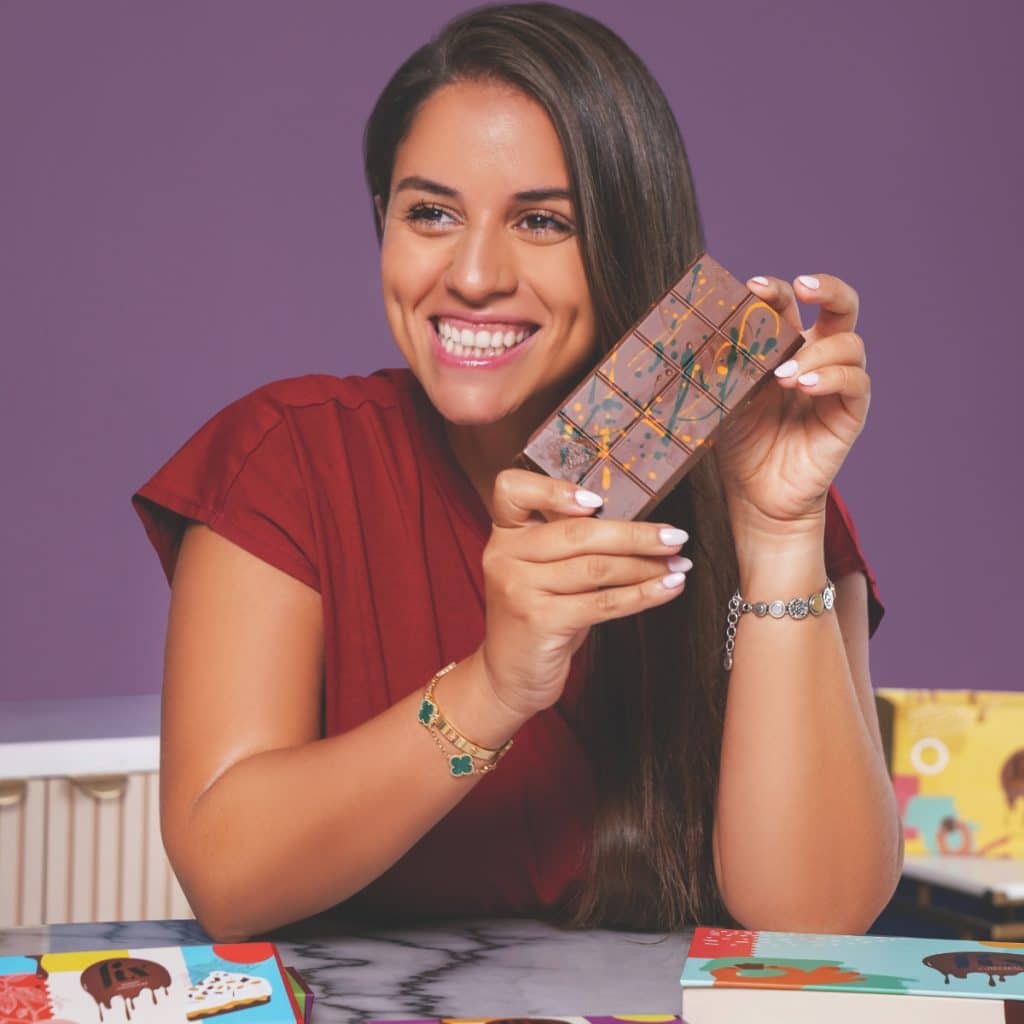
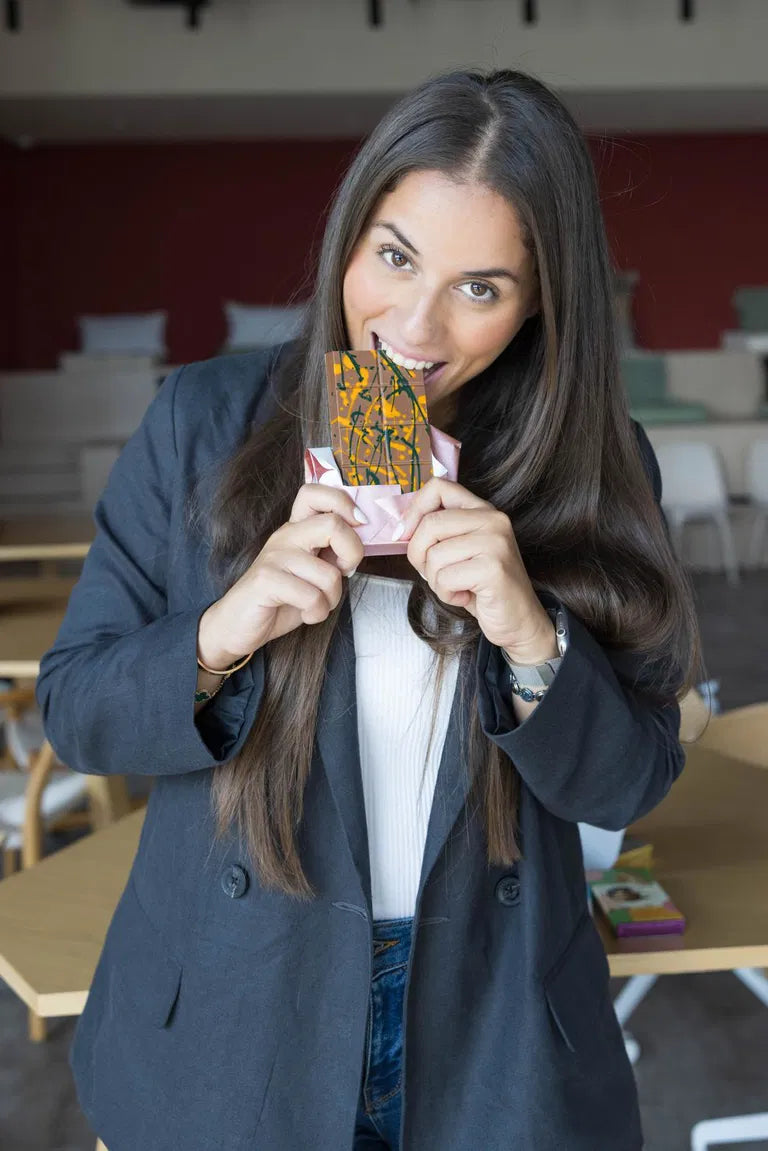
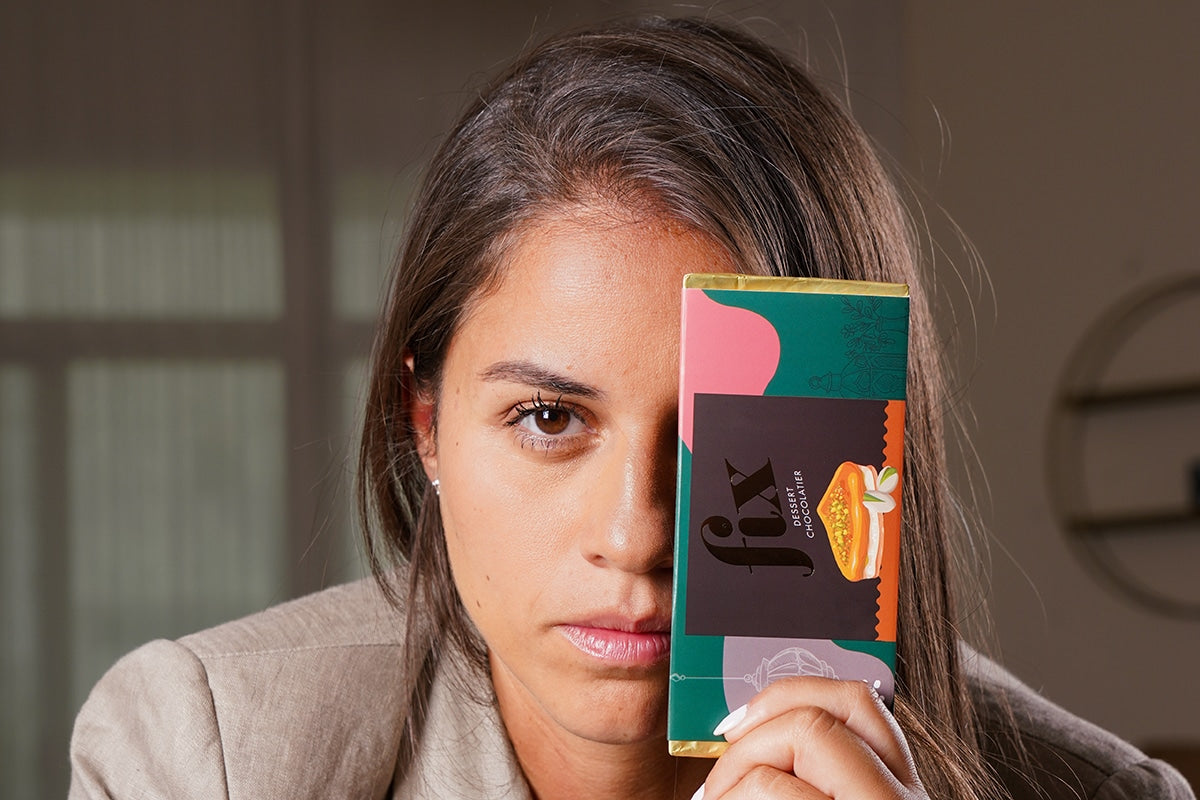
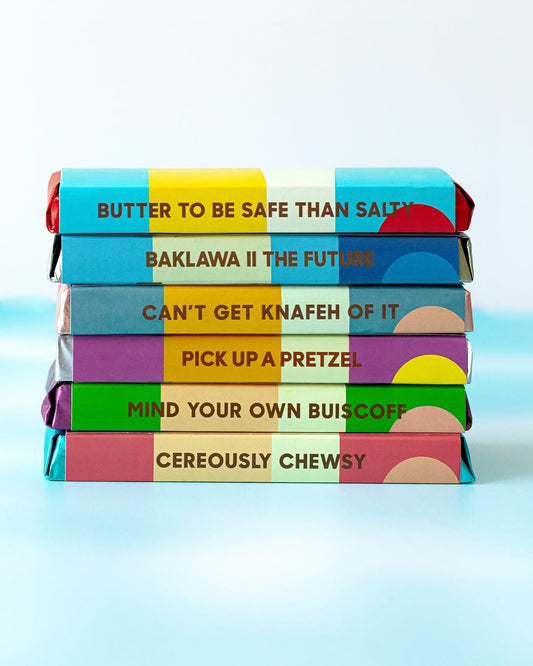
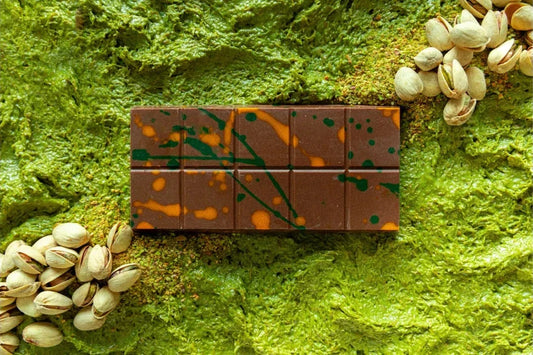
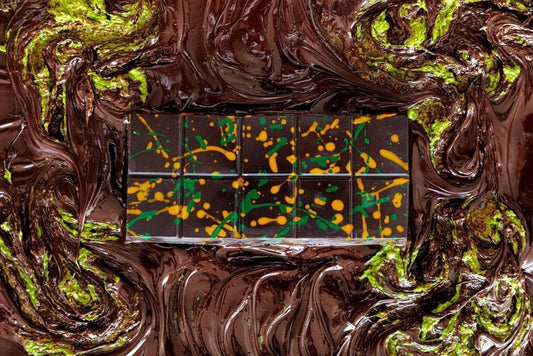
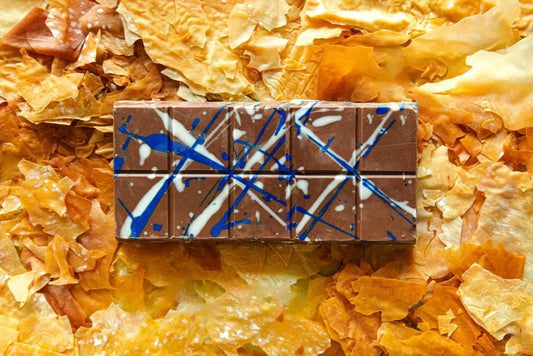
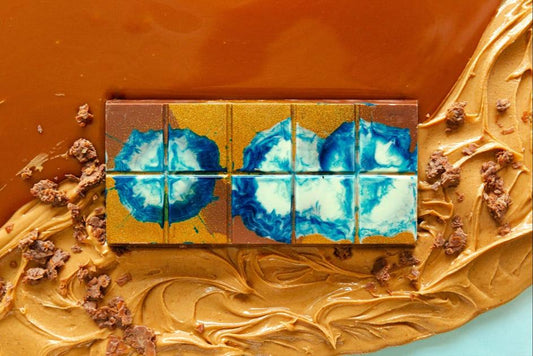
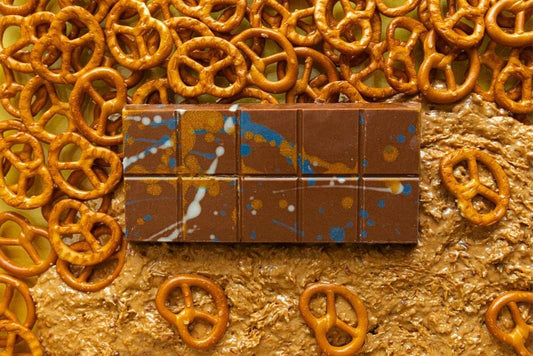
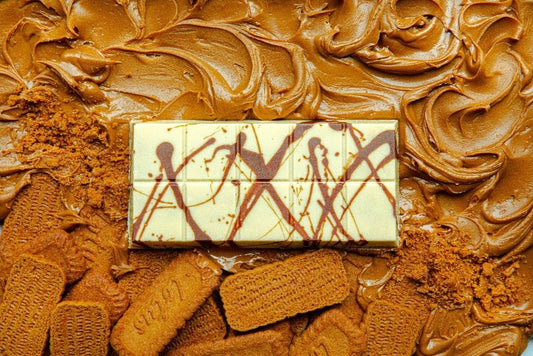
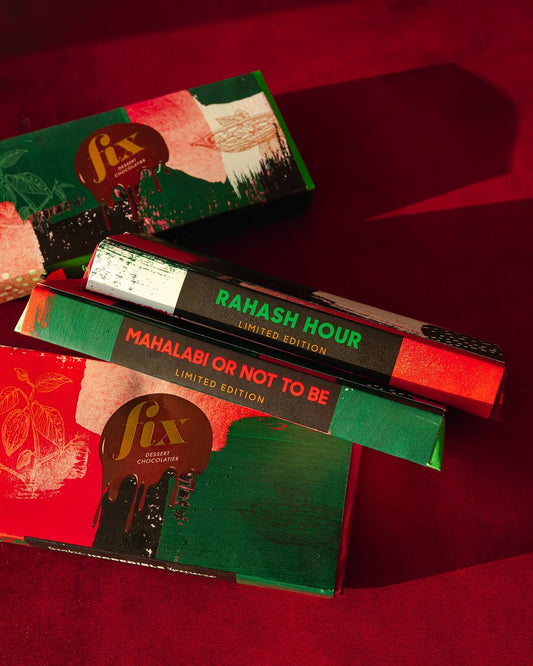
Fix Dessert Chocolatier's chocolate bars represent perhaps the most successful example of this fusion approach. By combining premium Belgian chocolate with traditional Middle Eastern dessert elements, they've created products that appeal globally while maintaining authentic character. They've shown that innovation doesn't mean abandoning tradition—it means finding new ways to celebrate it.
Health-Conscious Adaptations
As health consciousness grows globally, Middle Eastern confectioners are adapting. Sugar-free versions of traditional desserts, using date syrup or other natural sweeteners, appeal to diabetic customers and those watching sugar intake. Versions using alternative flours, reducing butter content, or incorporating superfoods attempt to make traditional desserts fit modern dietary preferences.
These adaptations face challenges—much of what makes traditional Middle Eastern desserts special comes from their generous use of butter, sugar, and nuts. Removing or reducing these elements can fundamentally change the dessert. The most successful adaptations find ways to reduce without sacrificing the essential character that makes these desserts special.
Artisanal and Craft Movement
Just as Western cultures have seen a return to artisanal bread baking and craft chocolate making, Middle Eastern desserts are experiencing a similar movement. Young confectioners are returning to traditional methods, seeking out heritage ingredients, and emphasizing quality over quantity.
This movement values the skills of master confectioners, the importance of using the best ingredients, and the time required to do things properly. It pushes back against industrialization and mass production, arguing that some things shouldn't be rushed or cheapened. These artisanal confectioners are often also innovators, respecting tradition while not being bound by it.
The Cultural Significance: More Than Just Desserts
Understanding Middle Eastern desserts requires understanding their cultural role. These aren't just after-dinner treats; they're integral to social life, religious observance, and cultural identity.
Hospitality and Generosity
Offering sweets to guests is fundamental to Middle Eastern hospitality. Not having something sweet to offer guests would be embarrassing, a failure of hospitality. This tradition means most homes keep a supply of pastries or at least dates for unexpected visitors. It's not uncommon for guests to be served coffee or tea with an array of sweets, expected to try multiple types.
This hospitality tradition reflects deeper cultural values about generosity, the importance of relationships, and the role of food in creating social bonds. Sharing sweets becomes a way of showing respect, creating connection, and expressing care for others.
Celebrations and Rituals
Specific desserts are associated with particular celebrations and religious observances. Ramadan brings qatayef and special Ramadan sweets to homes and shops. Eid celebrations require elaborate sweet spreads with multiple types of cookies and pastries. Weddings feature towering displays of desserts, often including elaborate constructions of baklava, maamoul, and other sweets.
These associations run deep. The smell of qatayef immediately evokes Ramadan for many Muslims. The sight of maamoul being made signals approaching Eid. These desserts carry memories of celebrations past, family gatherings, and the rhythm of religious and cultural life.
Identity and Heritage
For Middle Eastern communities around the world, these desserts connect them to their heritage. Immigrants opening pastry shops in new countries bring pieces of home with them. Second and third-generation immigrants might not speak their grandparents' language fluently, but they know the taste of traditional sweets and the memories those flavors carry.
Recipe sharing becomes a way of passing down culture. Grandmothers teaching granddaughters to make maamoul or baklava aren't just teaching cooking—they're passing down history, tradition, and identity. The wooden maamoul molds, often family heirlooms, carry generations of use and memory.
Making Your Own: Tips for Home Bakers
While some Middle Eastern desserts require specialized equipment or professional-level skills, many are accessible to home bakers willing to learn and practice.
Starting Simple
Begin with simpler desserts like basbousa or simple rice pudding before attempting baklava or knafeh. These simpler desserts will teach you about working with Middle Eastern ingredients like rose water and orange blossom water, about syrup consistency and application, and about the flavor profiles these desserts should achieve.
Ingredient Quality Matters
Don't skimp on ingredients. Real butter makes a difference over margarine. Fresh nuts taste completely different from stale ones. Pure rose water and orange blossom water are essential—artificial versions can't replicate the complex flavors of the real thing. When recipes call for specific ingredients, there's usually a good reason.
Patience and Practice
Your first baklava probably won't look like something from a Damascus pastry shop, and that's okay. These desserts require practice. The phyllo might tear, the syrup might not soak in evenly, the nuts might be unevenly distributed. Keep practicing. Each attempt will be better than the last, and even imperfect homemade Middle Eastern desserts usually taste delicious.
Respect Tradition While Making It Your Own
While traditional recipes have stood the test of time for good reasons, don't be afraid to adjust to your taste once you understand the fundamentals. If you prefer less sweet, reduce the syrup slightly. If you love pistachios, add more. The key is understanding why things are done certain ways before changing them.
Where to Experience Authentic Middle Eastern Desserts
For those wanting to experience these desserts without making them, finding authentic sources is important. Not all "Middle Eastern" bakeries are created equal, and touristy versions often disappoint compared to the real thing.
What to Look For
Good Middle Eastern pastry shops are busy with Middle Eastern customers—this is always a positive sign. The pastries should look handmade, not perfect and uniform like factory products. Ask about freshness; traditional pastries are best within a few days of making. The selection should be diverse, showing the shop's commitment to the full range of traditional desserts.
Trying Traditional Preparations
When possible, try desserts in their traditional contexts. Qatayef during Ramadan, knafeh served hot from the pan, Turkish delight from shops that make it themselves, baklava from family operations that have been making it for generations. These experiences provide authentic context that helps you understand not just what these desserts taste like but what they mean culturally.
Conclusion: Sweet Traditions for a Modern World
Middle Eastern desserts represent thousands of years of culinary evolution, cultural exchange, and human creativity. From ancient honey cakes to contemporary fusion innovations, these sweets tell stories of empires and families, celebrations and everyday joys, tradition and innovation.
What makes these desserts special isn't just their delicious flavors—though they are undeniably delicious. It's their connection to culture and history, their role in bringing people together, their ability to carry memory and meaning beyond mere taste. When you eat authentic baklava, you're tasting the same dessert enjoyed by Ottoman sultans. When you try knafeh, you're connecting with a tradition that spans the entire Middle East and beyond.
As these desserts continue to spread globally, introduced to new audiences through immigrants, travelers, and innovative companies like Fix Dessert Chocolatier, they carry Middle Eastern culture with them. They become ambassadors, introducing people to new flavors, new traditions, and new ways of thinking about dessert.
Whether you're making these desserts at home, buying them from traditional bakeries, or experiencing them through modern innovations, you're participating in a sweet tradition that connects past to present, East to West, and people to each other through the universal language of deliciousness. These desserts remind us that food is never just food—it's culture, memory, identity, and connection, all wrapped up in something sweet.